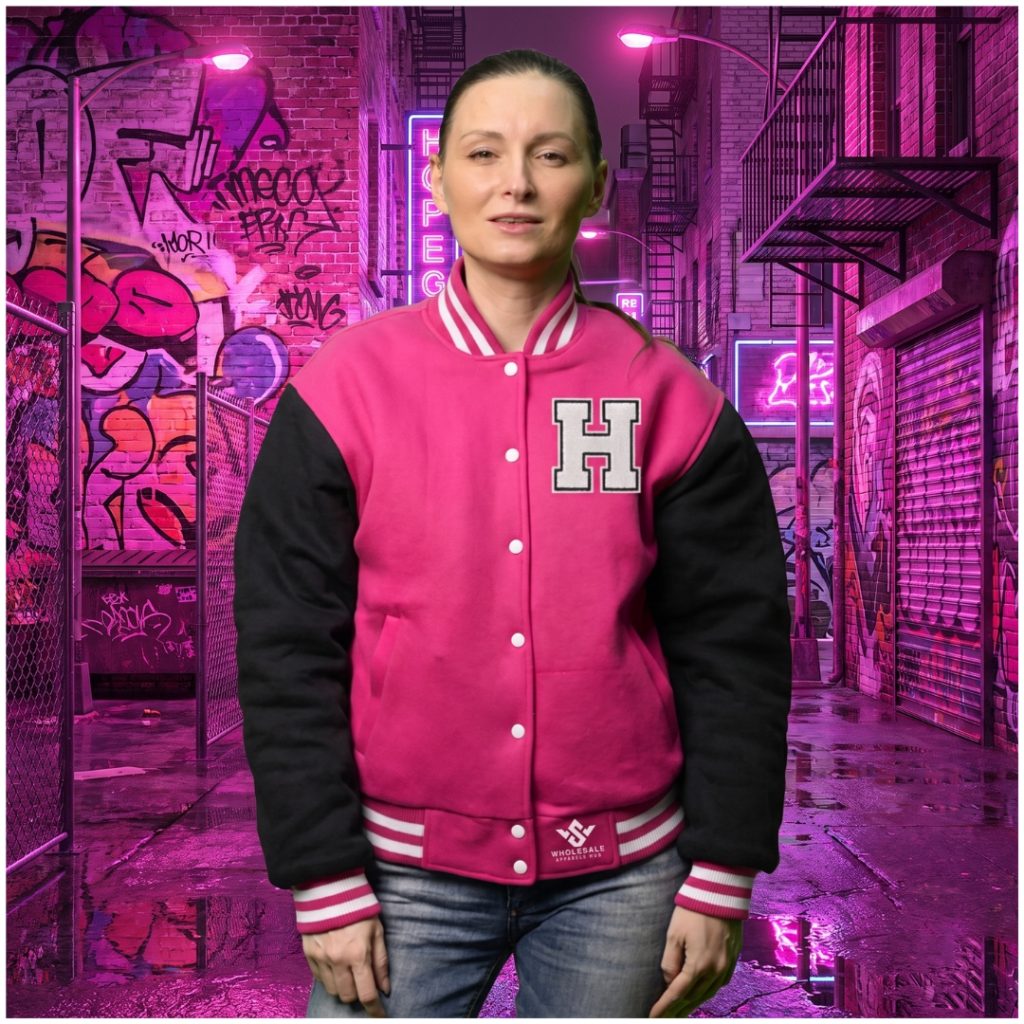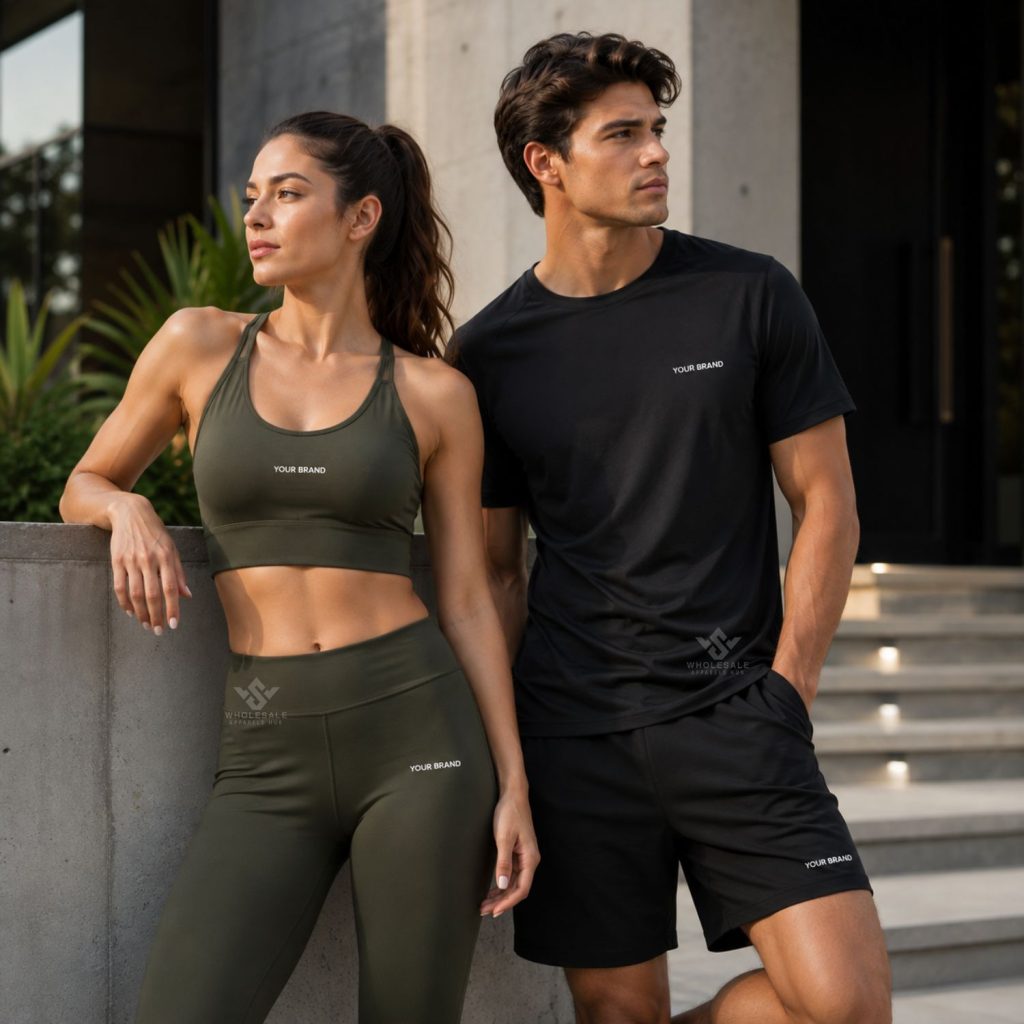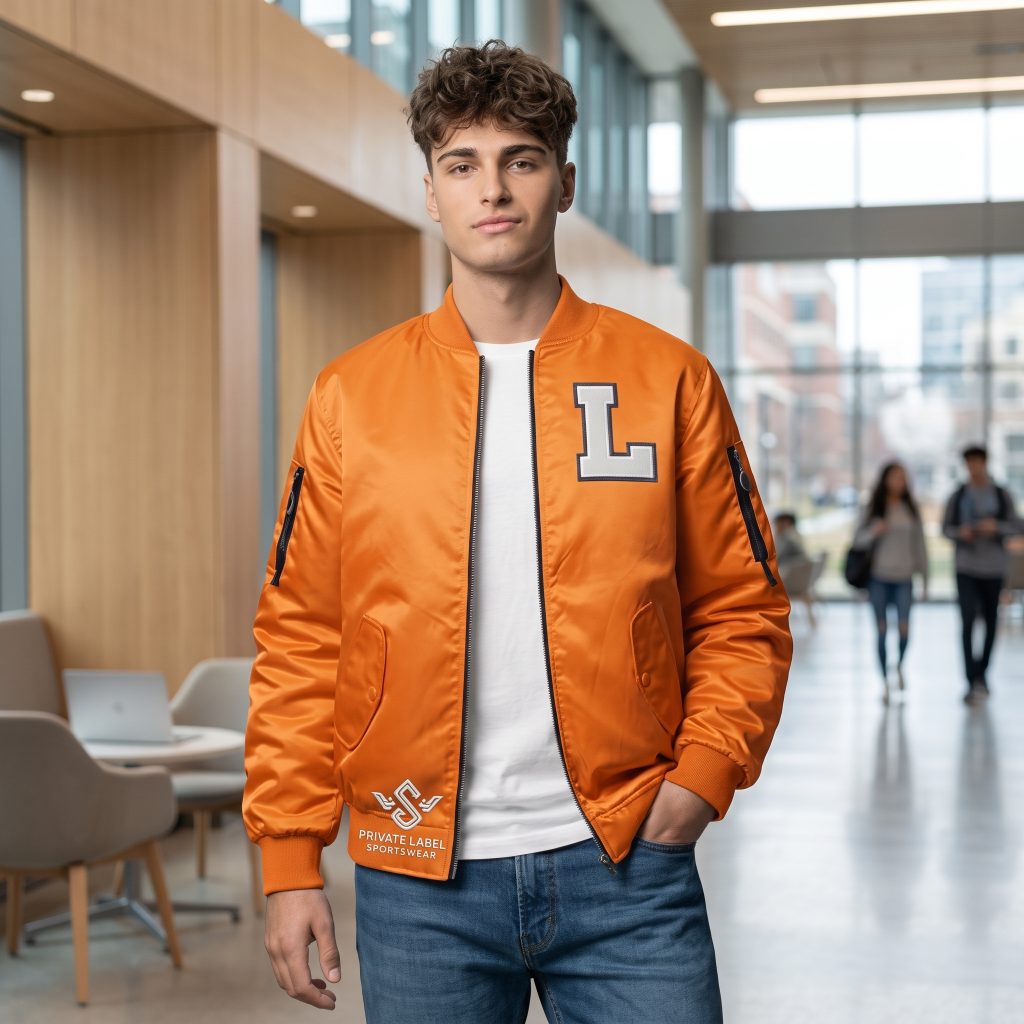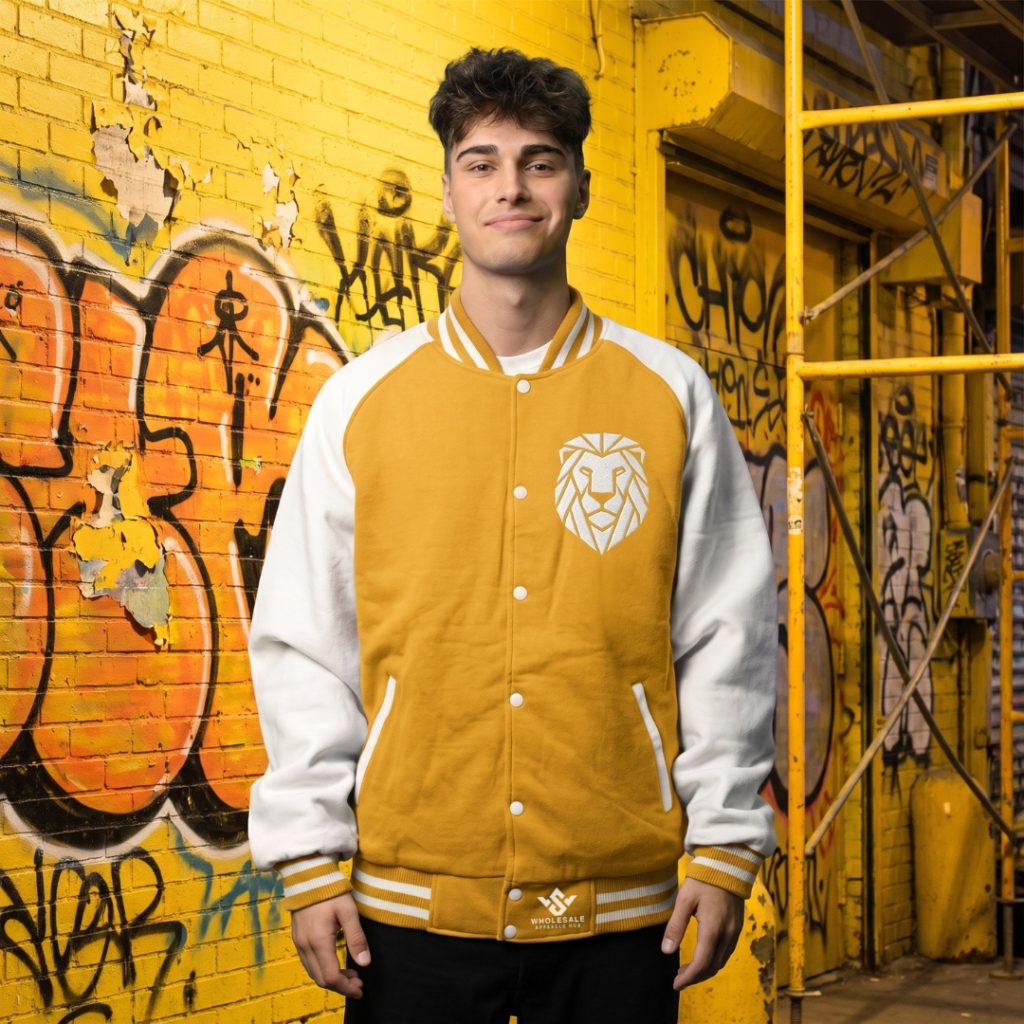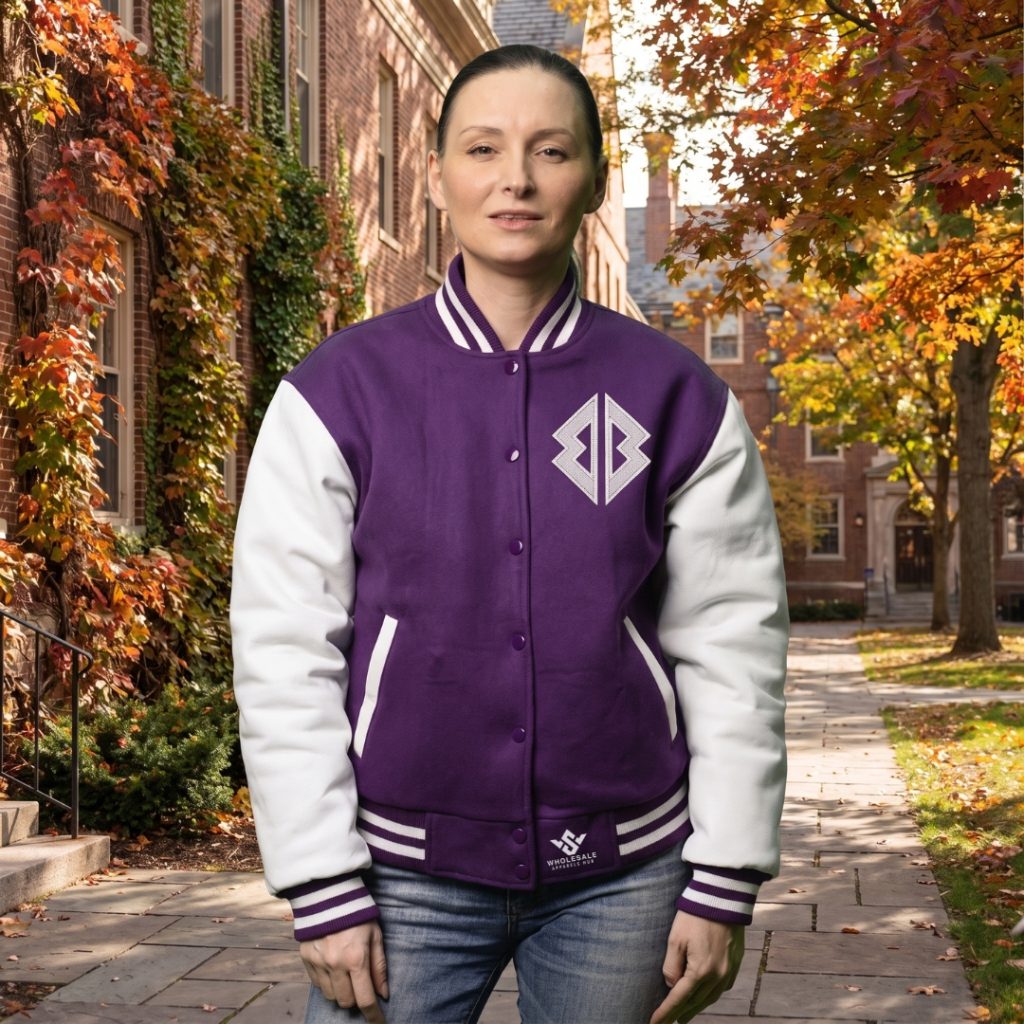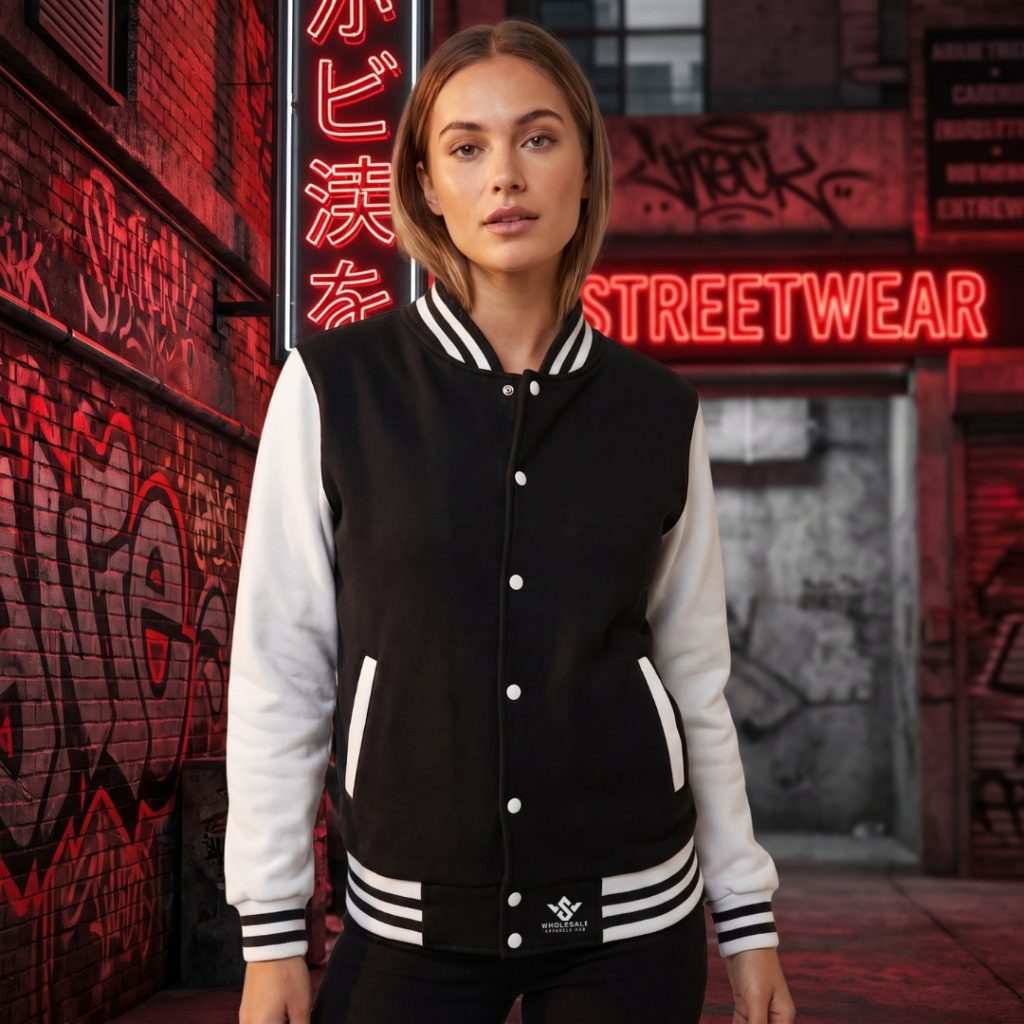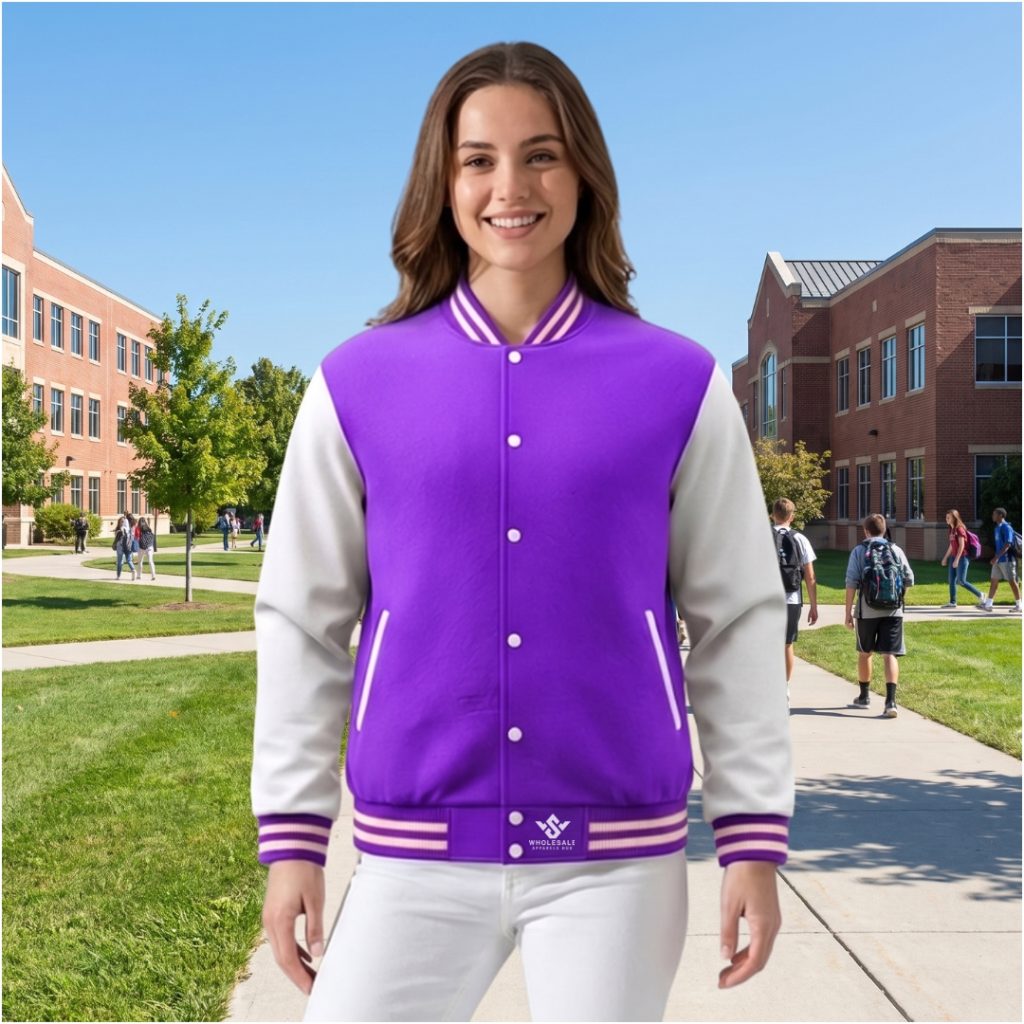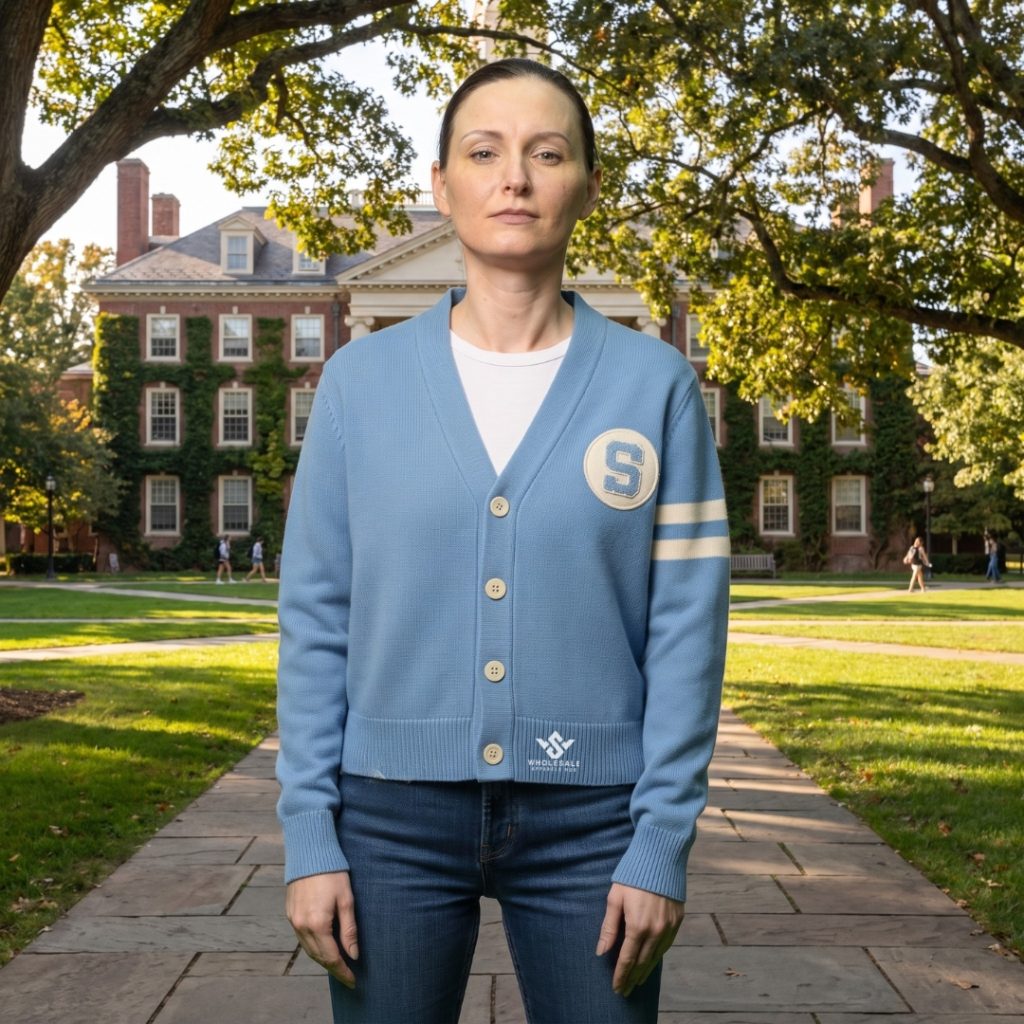

Apparel Manufacturing for Startups

Apparel Manufacturing for Startups: A Complete Guide to Launching Your Clothing Brand Successfully
Starting a clothing brand is an exciting journey, but turning your designs into high-quality products requires the right manufacturing partner. For emerging fashion entrepreneurs, finding reliable apparel manufacturing for startups is often one of the biggest challenges. From low minimum order quantities (MOQs) to quality control and production timelines, startups need a manufacturing solution that supports growth without overwhelming their budget.
This guide will help clothing brands and startups understand how apparel manufacturing works, what to look for in a manufacturing partner, and how to build a successful production strategy from day one.
Why Apparel Manufacturing Matters for Startups
Many fashion startups focus heavily on branding, marketing, and design while overlooking the importance of manufacturing. However, your manufacturer directly impacts:
- Product quality
- Customer satisfaction
- Production costs
- Delivery timelines
- Brand reputation
- Scalability
A dependable apparel manufacturer helps startups transform concepts into market-ready products while maintaining consistency and quality.
Common Challenges Startups Face in Apparel Manufacturing
 1. High Minimum Order Quantities (MOQs)
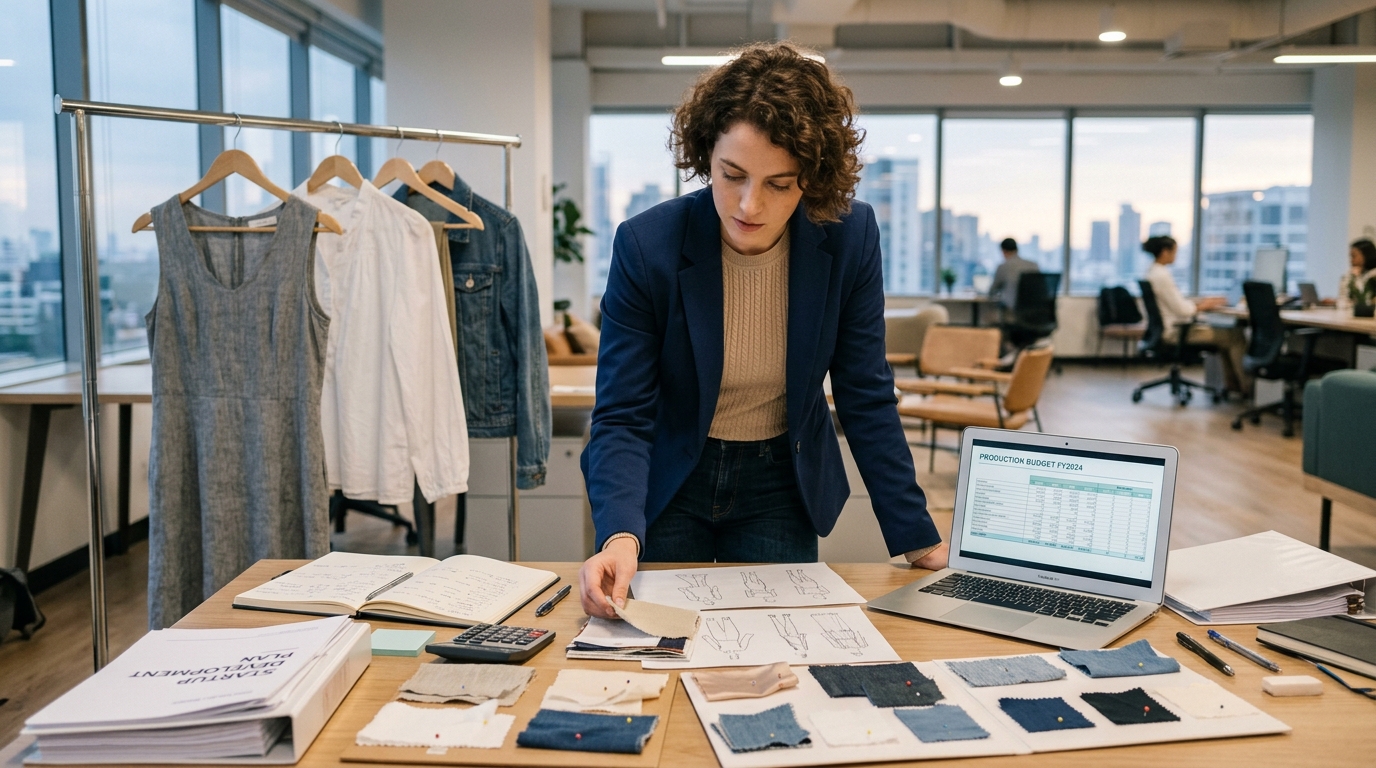 1. High Minimum Order Quantities (MOQs)
Many traditional factories require large production runs, making it difficult for new brands with limited capital. Startups often need manufacturers willing to accommodate smaller orders while maintaining competitive pricing.
2. Limited Production Knowledge
First-time brand owners may not fully understand fabric sourcing, pattern development, grading, sampling, or quality assurance processes.
3. Budget Constraints
Managing production costs while maintaining product quality can be challenging. Startups need manufacturing partners that offer transparent pricing and cost-effective solutions.
4. Finding Reliable Suppliers
The apparel industry contains thousands of manufacturers, but not all are startup-friendly. Choosing the wrong partner can lead to delays, inconsistent quality, and financial losses
What to Look for in an Apparel Manufacturer for Startups
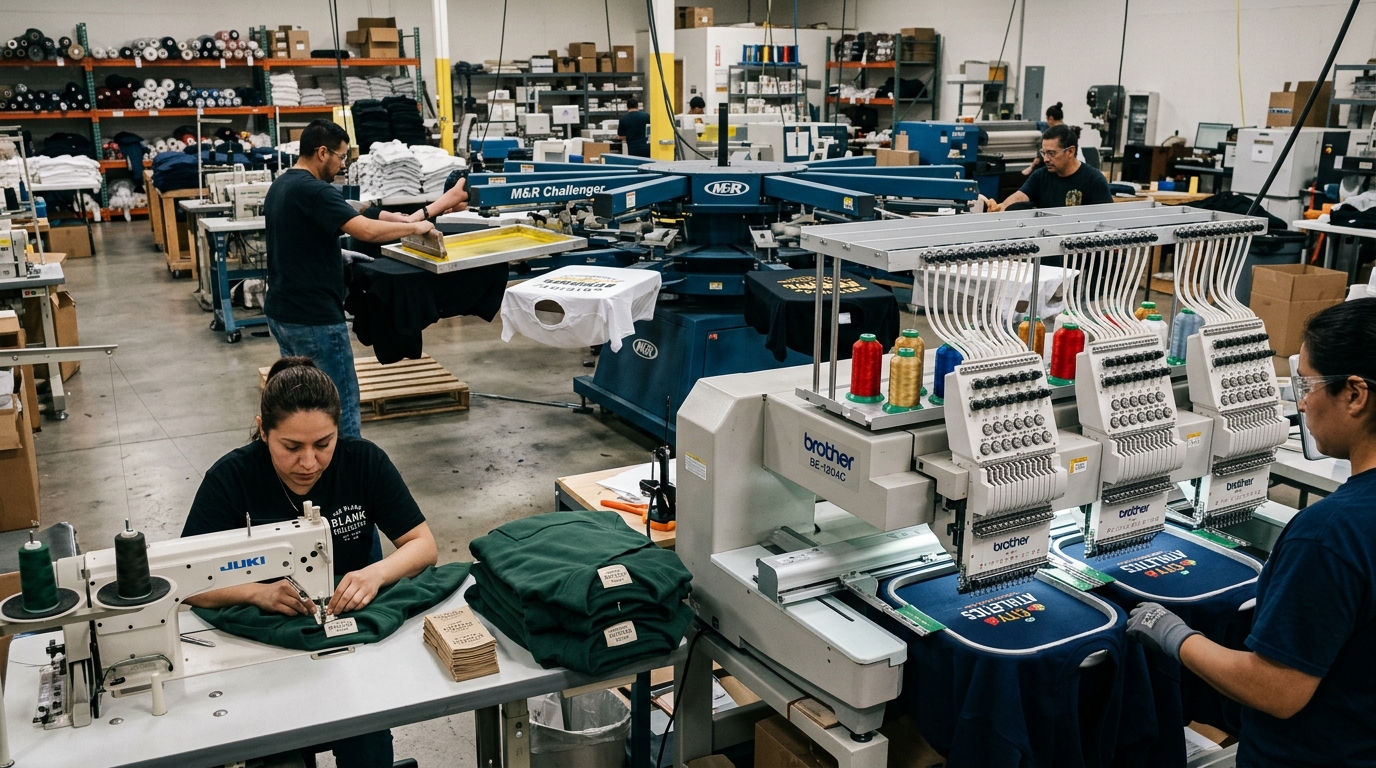
Low MOQ Requirements
A startup-friendly manufacturer should offer flexible MOQs that allow brands to test products before committing to large-scale production.
Sampling Services
Product sampling enables startups to evaluate fit, fabric quality, stitching, and overall construction before mass production begins.
Customization Capabilities
Look for manufacturers that provide:
- Custom designs
- Private labeling
- Custom packaging
- Embroidery
- Screen printing
- Sublimation printing
- Custom fabric sourcing
Quality Control Systems
Consistent quality is essential for building customer trust. Manufacturers should have strict inspection processes throughout production.
Communication and Transparency
Strong communication helps prevent misunderstandings, production errors, and missed deadlines. Manufacturers should provide regular updates and clear timelines.
Types of Apparel Manufacturing Services for Startups
Cut and Sew Manufacturing
Cut and sew manufacturers create garments from raw fabric based on custom patterns. This option provides maximum customization and is ideal for brands seeking unique products.
Best for:
- Premium fashion brands
- Streetwear startups
- Activewear brands
- Luxury clothing labels
Private Label Manufacturing
Private label manufacturing allows startups to customize existing garment styles with their branding.
Benefits include:
- Faster production
- Lower development costs
- Reduced design complexity
- Faster market entry
Full Package Production (FPP)
Full Package Production offers an end-to-end solution covering:
- Design assistance
- Fabric sourcing
- Pattern making
- Sampling
- Production
- Quality control
- Packaging
This option is ideal for startups that want a complete manufacturing solution under one roof.
The Apparel Manufacturing Process for Startups
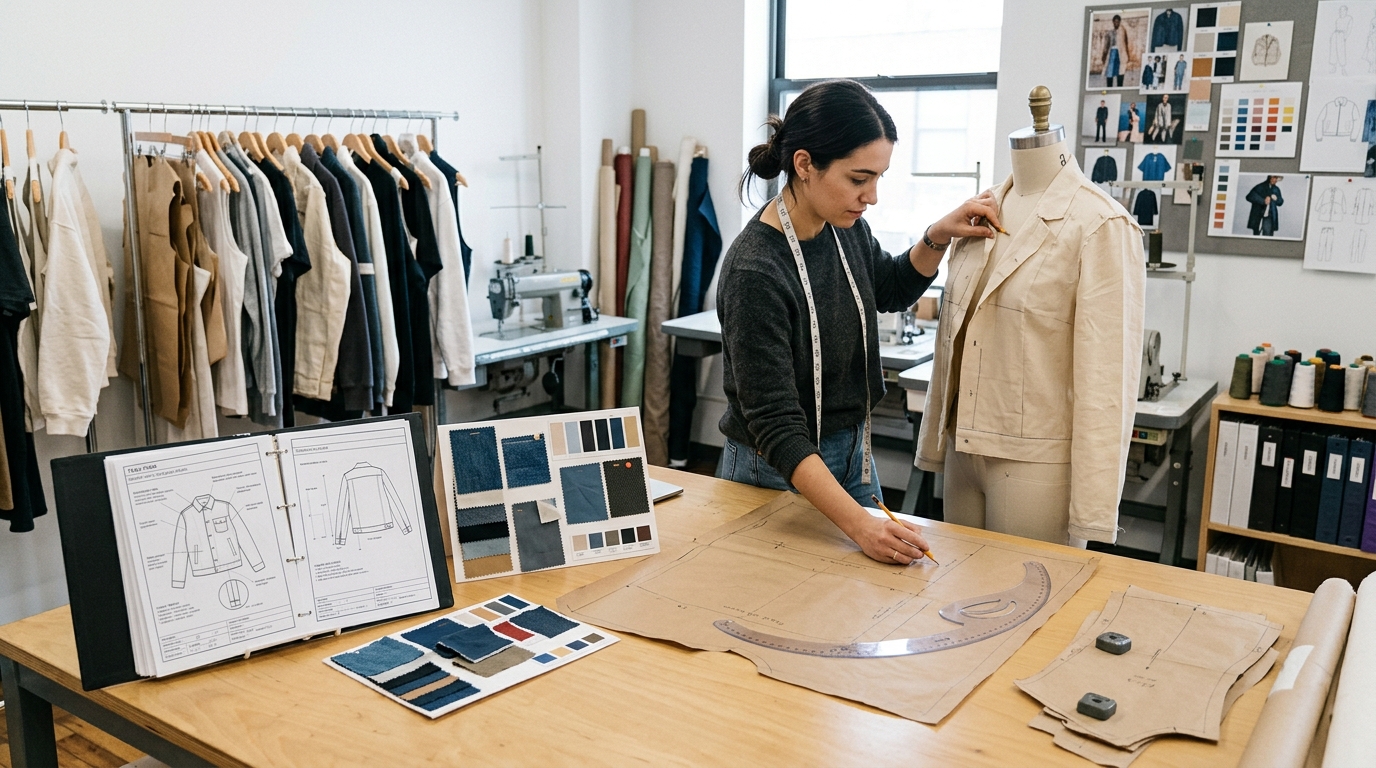
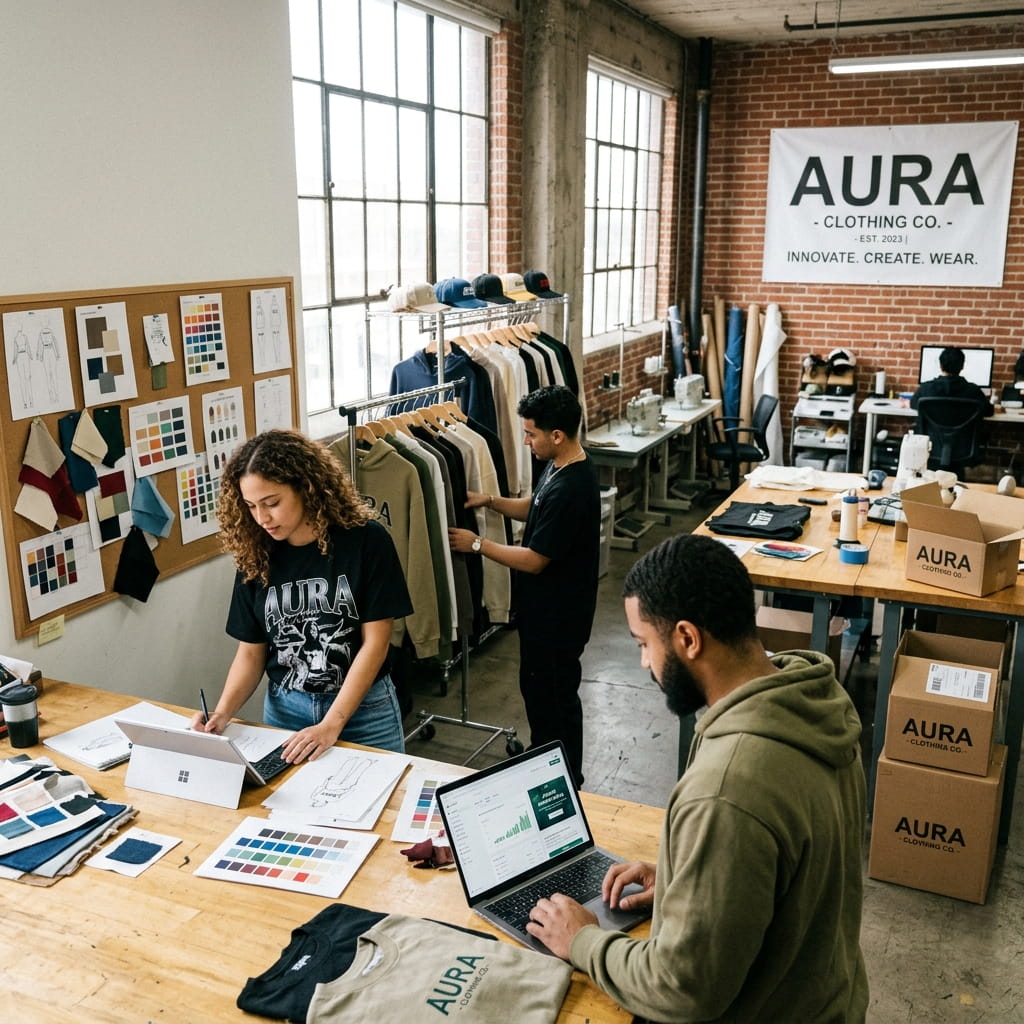
Step 1: Product Development
The process begins with:
- Design sketches
- Tech packs
- Material selection
- Sizing specifications
A detailed tech pack helps manufacturers understand your exact requirements.
Step 2: Sampling
Manufacturers create sample garments for review and approval. This stage allows brands to refine fit, materials, and construction details.
Step 3: Material Sourcing
Fabric and trim selection directly impact product quality, pricing, and customer satisfaction.
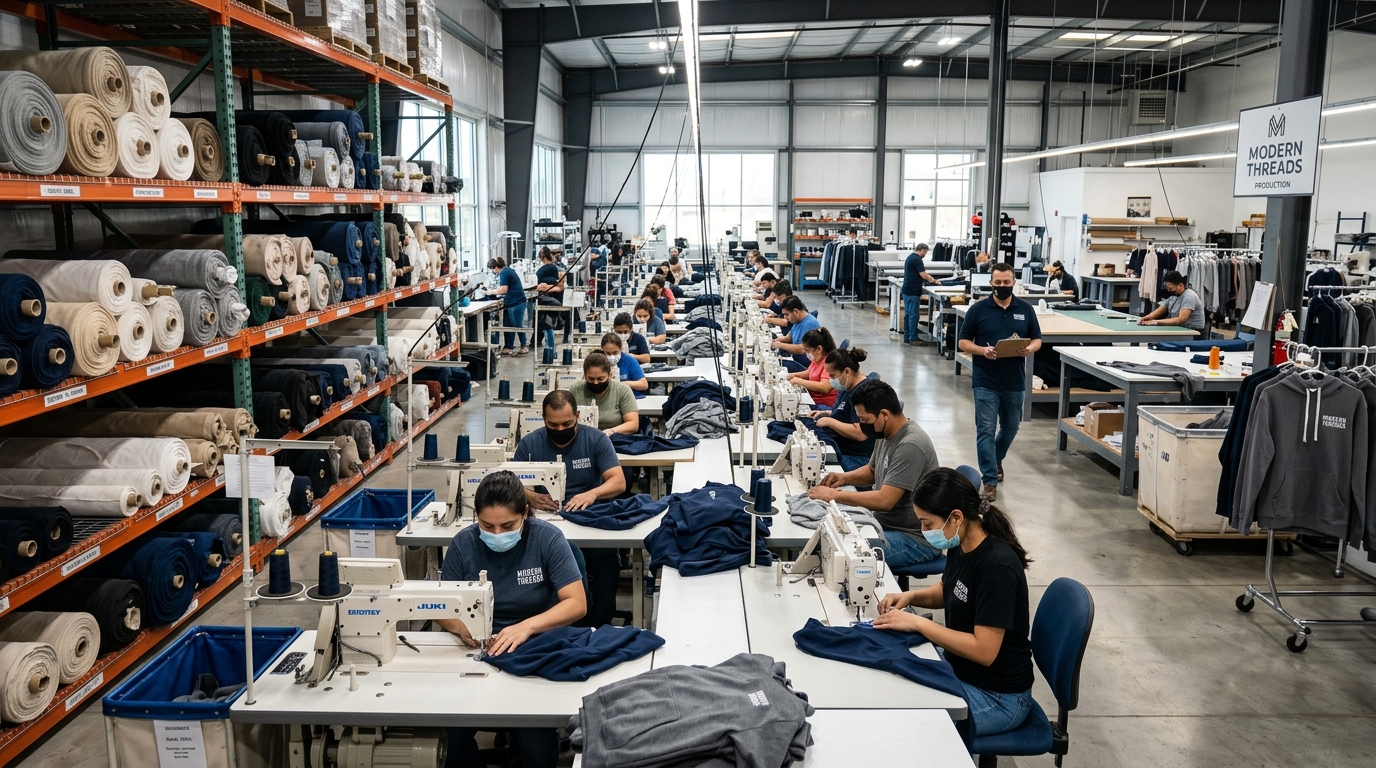
Step 4: Production
Once samples are approved, bulk production begins according to agreed specifications and timelines.
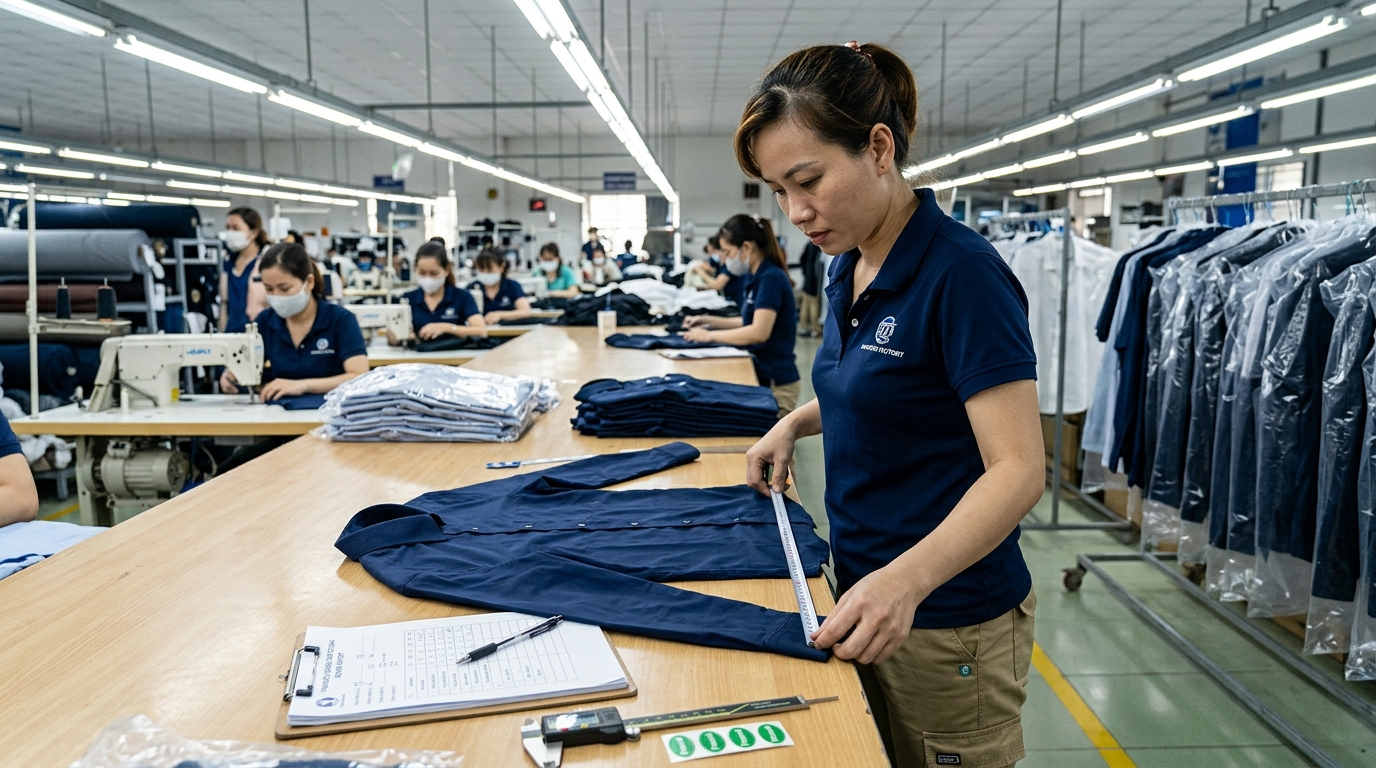
Step 5: Quality Inspection
Quality control teams inspect garments for defects, sizing accuracy, stitching quality, and finishing standards.
Step 6: Packaging and Shipping
Finished products are packaged and shipped to fulfillment centers, warehouses, or directly to customers.
Benefits of Working with Startup-Friendly Apparel Manufacturers
Faster Market Entry
Experienced manufacturers streamline development and production, helping startups launch products more quickly.
Reduced Financial Risk
Low MOQs allow brands to validate product demand before investing heavily in inventory.
Professional Product Quality
Quality manufacturing enhances customer satisfaction and increases repeat purchases.
Scalability
The right manufacturing partner can grow alongside your brand, supporting larger production volumes as demand increases.
How to Choose the Right Apparel Manufacturing Partner
Before selecting a manufacturer, ask these questions:
- What are your minimum order quantities?
- Do you provide samples?
- Can you assist with fabric sourcing?
- What quality control procedures do you follow?
- What are your production lead times?
- Do you offer private label services?
- Can production scale as my brand grows?
Evaluating these factors helps startups avoid costly mistakes and establish long-term manufacturing relationships.
Trends Shaping Apparel Manufacturing for Startups
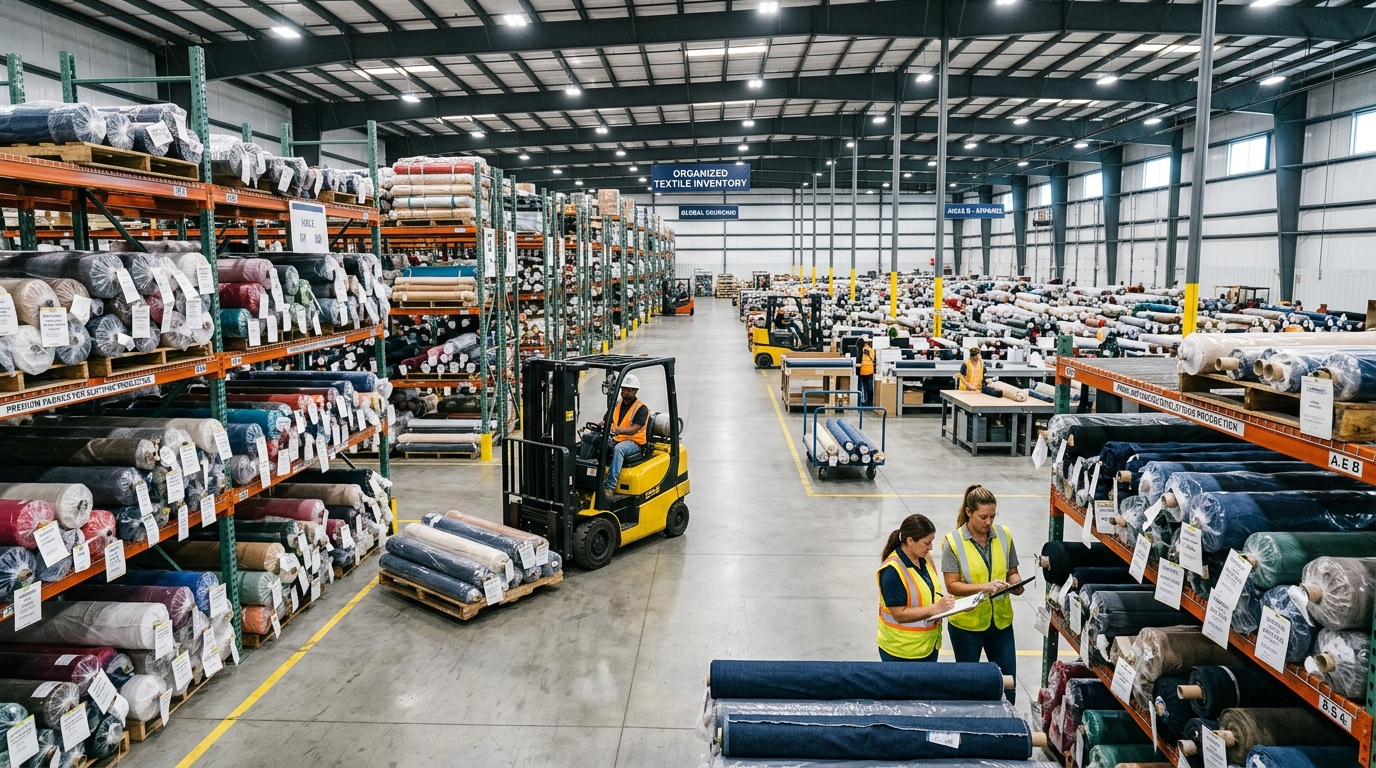
Modern clothing brands increasingly prioritize:
Sustainable Manufacturing
Consumers expect brands to use environmentally responsible materials and production practices.
Ethical Production
Transparency, fair labor practices, and responsible sourcing are becoming essential competitive advantages.
On-Demand Manufacturing
Small-batch and made-to-order production models help startups reduce excess inventory and improve cash flow.
Technology Integration
Digital pattern making, automated cutting, and production management software improve efficiency and accuracy.
Conclusion
Successful apparel brands are built on more than great designs—they require dependable manufacturing partnerships. Choosing the right provider for apparel manufacturing for startups can significantly impact product quality, customer satisfaction, and long-term business growth.
Whether you’re launching a streetwear label, activewear brand, fashion startup, or private-label clothing line, working with an experienced manufacturer that understands startup needs can help you bring your vision to life while minimizing risk. Focus on finding a partner that offers flexibility, quality, transparent communication, and scalable production solutions to support your brand’s journey from concept to success.
Frequently Asked Questions (FAQs)
1. What is apparel manufacturing for startups?
Apparel manufacturing for startups refers to clothing production services specifically designed for new fashion brands and emerging businesses. These services often include low minimum order quantities (MOQs), product development, sampling, fabric sourcing, private labeling, and full-scale production.
2. What is the minimum order quantity (MOQ) for startup clothing brands?
The MOQ varies by manufacturer. Startup-friendly apparel manufacturers may offer MOQs ranging from 50 to 300 pieces per style, while larger factories may require significantly higher order volumes.
3. How do I find the right apparel manufacturer for my startup?
Look for manufacturers that offer low MOQs, sampling services, quality control processes, customization options, transparent pricing, and experience working with startup clothing brands.
4. How much does it cost to manufacture clothing for a startup?
Production costs depend on factors such as garment type, fabric selection, customization requirements, order quantity, and manufacturing location. Sampling, pattern development, and shipping costs should also be included in your budget.
5. What is the difference between private label and custom apparel manufacturing?
Private label manufacturing allows brands to customize pre-existing garment styles with their own branding, while custom apparel manufacturing involves creating unique garments from scratch based on original designs and specifications.
6. Do apparel manufacturers help with product design and development?
Many full-package apparel manufacturers offer product development services, including design consultation, pattern making, grading, fabric sourcing, prototyping, and sample production.
7. How long does apparel production take for startups?
Production timelines vary depending on the complexity of the garment and order size. Sampling may take 1–4 weeks, while bulk production typically takes 4–12 weeks after sample approval.
8. Can startups order small production runs?
Yes. Many startup-focused apparel manufacturers specialize in small-batch production, allowing brands to test products in the market before placing larger orders.
9. What documents do I need before contacting an apparel manufacturer?
Most manufacturers require a tech pack, design sketches, size specifications, fabric preferences, branding details, and estimated order quantities to provide accurate quotations.
10. What is a tech pack, and why is it important?
A tech pack is a detailed document that includes garment measurements, materials, construction details, artwork placement, labels, and production instructions. It helps manufacturers accurately produce your designs and reduces production errors.
11. Can apparel manufacturers add custom labels and packaging?
Yes. Many manufacturers offer private labeling services, including woven labels, hang tags, custom packaging, printed labels, and branded inserts to help establish a professional brand identity.
12. Should startups choose domestic or overseas apparel manufacturing?
Domestic manufacturing often provides faster communication and shorter shipping times, while overseas manufacturing can offer lower production costs. The best choice depends on your budget, timeline, and business goals.
13. What types of clothing can startup manufacturers produce?
Most apparel manufacturers can produce a wide range of products, including t-shirts, hoodies, activewear, streetwear, sportswear, uniforms, children’s clothing, fashion apparel, and custom garments.
14. How can I ensure product quality during manufacturing?
Work with manufacturers that have strong quality control procedures, request samples before production, review materials carefully, and conduct inspections before shipment.
15. Can an apparel manufacturer help my brand scale as it grows?
Yes. A reliable manufacturing partner can increase production capacity, source new materials, improve efficiency, and support your business as demand grows over time.
Customer Support & Assistance
We’re here to help you at every step—from product questions to order guidance.
📧 Email: help@wholesaleapparelshub.com
🌍 Website: wholesaleapparelshub.com
💬 WhatsApp Support:
Chat directly via WhatsApp for quick responses.
For reviews, styling ideas, and real customer photos, follow us on:
✅ Instagram | ✅ Facebook | ✅ Pinterest | ✅ Google Page